Although replacing sugary drinks with diet soda seems like a smart solution for keeping weight down -- a heart-healthy goal -- it turns out diet soda is likely a major bad guy when it comes to stroke.
Why it's bad
People who drink a diet soda a day may up their stroke risk by 48 percent. A Columbia University study presented at the American Stroke Association's 2011 International Stroke Conference followed 2,500 people ages 40 and older and found that daily diet soda drinkers had 60 percent more strokes, heart attacks, and coronary artery disease than those who didn't drink diet soda. Researchers don't know exactly how diet soda ups stroke risk -- and are following up with further studies -- but nutritionists are cautioning anyone concerned about stroke to cut out diet soda pop.
What to do Substitute more water for soda in your daily diet. It's the healthiest thirst-quencher by far, researchers say. If you don't like water, try lemonade, iced tea, or juice.
04. Red meat
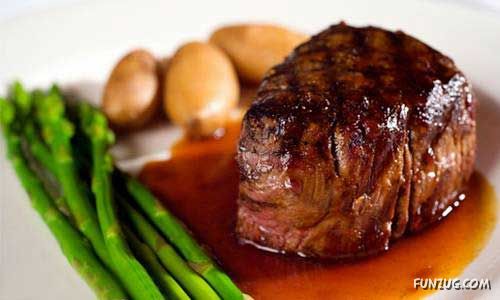
This winter, when the respected journal Stroke published a study showing that women who consumed a large portion of red meat each day had a 42-percent higher incidence of stroke, it got nutrition experts talking. The information that red meat, with its high saturated fat content, isn't healthy for those looking to prevent heart disease and stroke wasn't exactly news. But the percentage increase (almost 50 percent!) was both startling and solid; the researchers arrived at their finding after following 35,000 Swedish women for ten years.
Why it's bad
Researchers have long known that the saturated fat in red meat raises the risk of stroke and heart disease by gradually clogging arteries with a buildup of protein plaques. Now it turns out that hemoglobin, the ingredient that gives red meat its high iron content, may pose a specific danger when it comes to stroke. Researchers are investigating whether blood becomes thicker and more viscous as a result of the consumption of so-called heme iron, specifically upping the chance of strokes.
What to do
Aim to substitute more poultry -- particularly white meat -- and fish, which are low in heme iron, for red meat. Also, choose the heart-healthiest sources of protein whenever you can, especially beans, legumes, nuts, tofu, and nonfat dairy.
 LIFE & STYLE
